Within the “Publishing and Literacy” framework, this project employs visually striking market-oriented language to translate complex carbon emissions data into easily digestible print media such as stickers and flyers. This visual intervention in physical spaces employs humor and satire to reveal how consumerism normalizes high-carbon behaviors while obscuring the environmental costs behind our daily dietary choices. It elevates public awareness of the environmental costs of consumption, demonstrating publishing’s potential as a tool for social intervention.
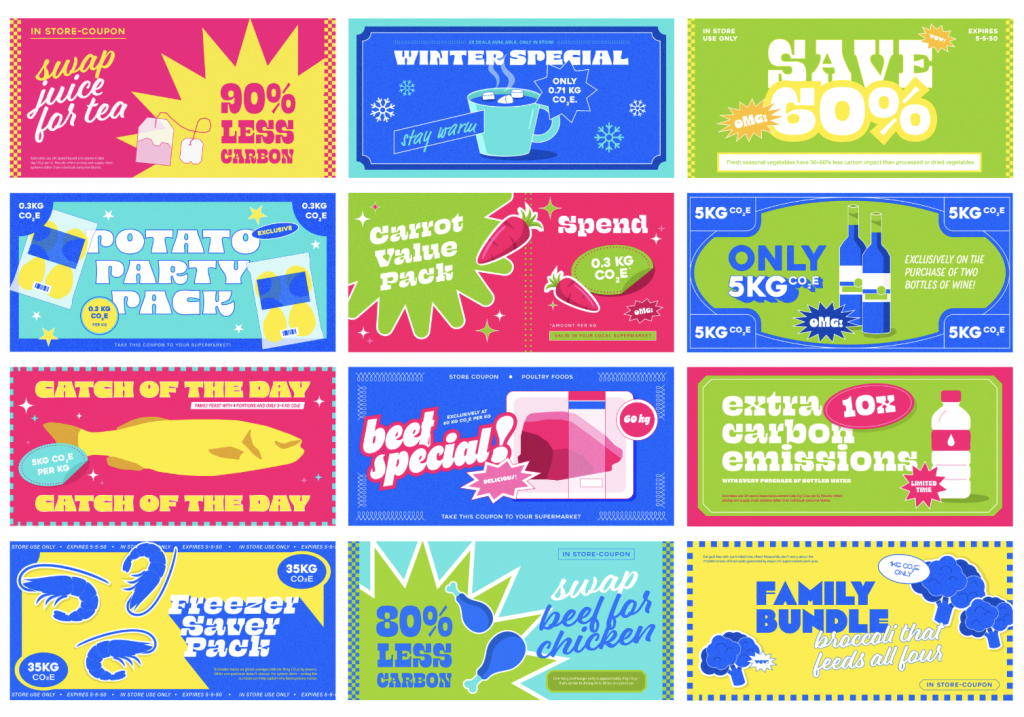
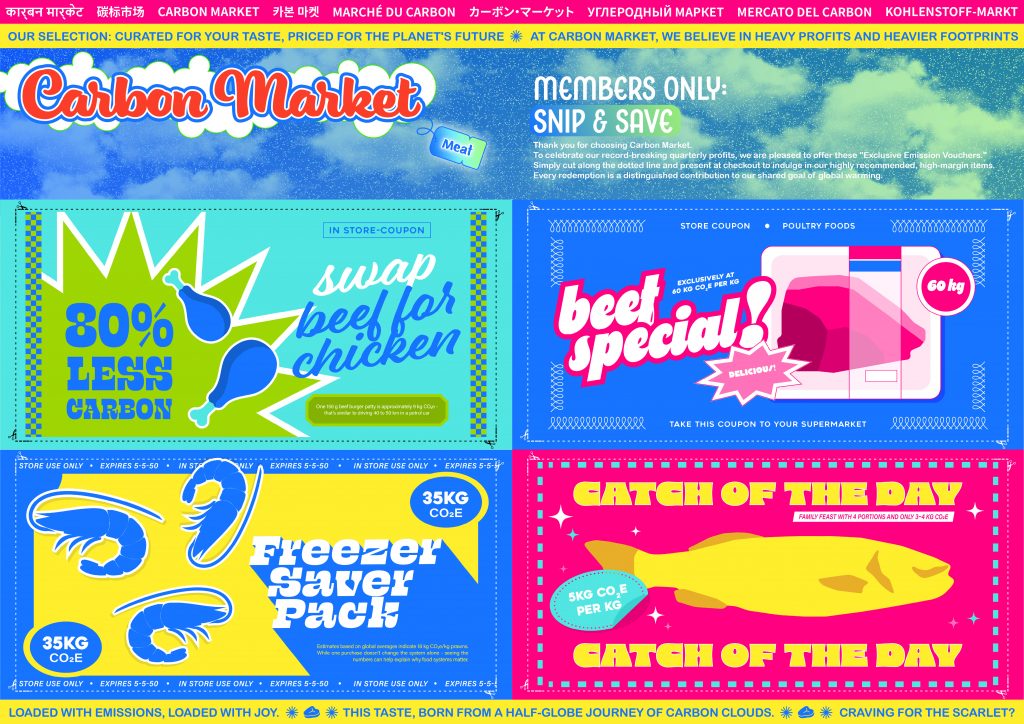
COUPONS
The coupons were designed across three categories: beverages, vegetables and meat. By mimicking supermarket promotional tactics, they satirise consumer-facing sustainability messaging – highlighting both the individual carbon cost of food items as well as the larger supply systems that lack accountability and thereby limit informed choices.
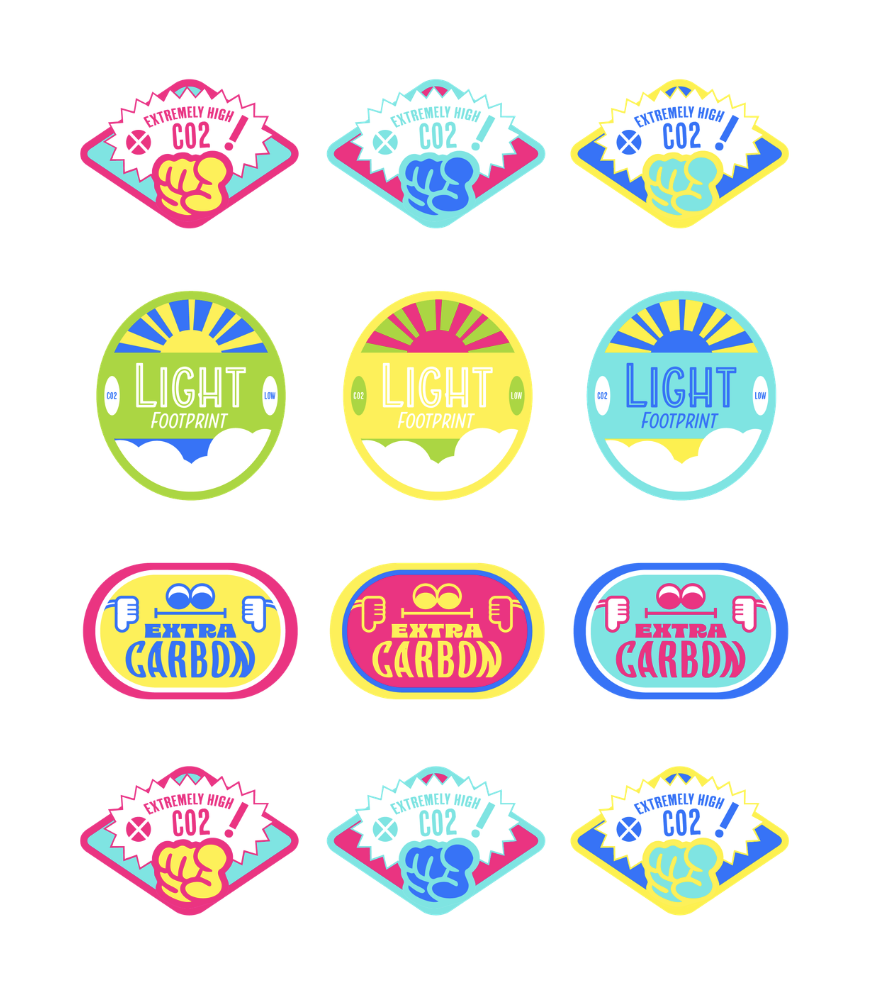
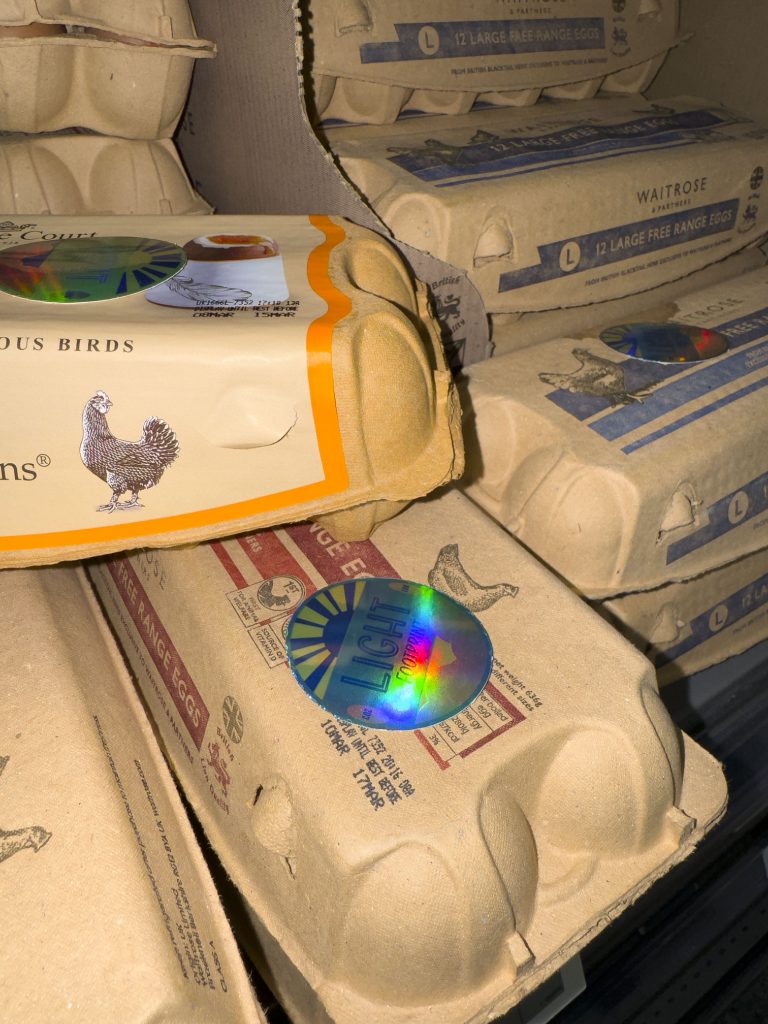
PROMOTIONAL STICKERS
The stickers present a simplified categorisation of the carbon emission level of each featured product. By directing the customer’s attention to the environmental implications of individual items, the act of purchasing is reframed as a direct contribution to climate change.
ADVERTISING FLYERS
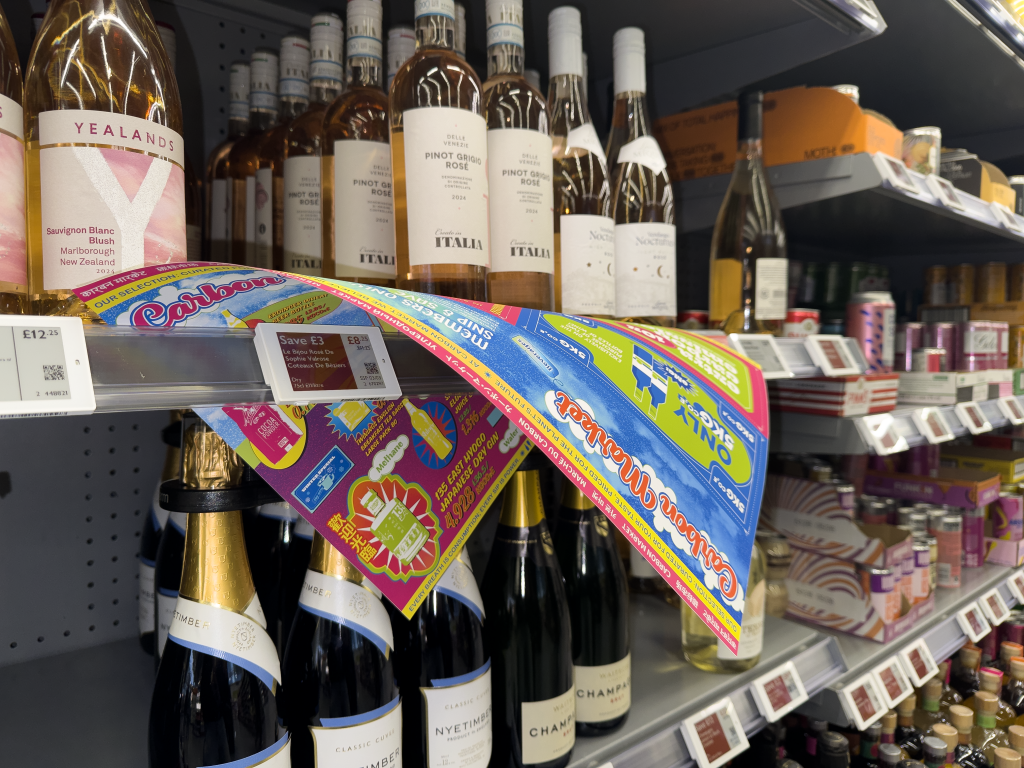
Our final deliverable is a series of supermarket promotional flyers. We drew inspiration from the visual language of supermarket advertisements—their bold graphic design and sense of urgency—and infused it with satire.
By calculating the carbon footprint of each item—cross-referencing actual market prices with raw Excel datasets—we transformed abstract data into perceptible visual weight. These flyers no longer tout affordability or freshness; instead, they repackage high carbon emissions as symbols of luxury, scarcity, and status.
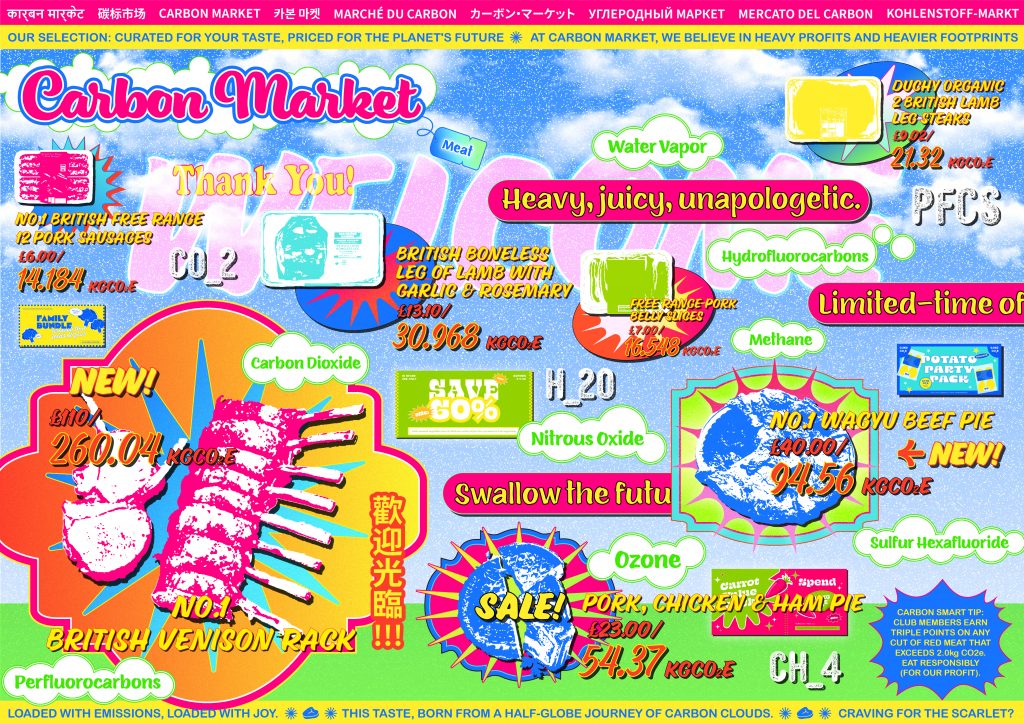
The flyers adopt the visual logic of supermarket promotional print: saturated colour, dense composition, and hyperbolic slogans — all designed to capture every last fragment of the viewer’s attention. But here, every product’s visual size is directly tied to its carbon footprint. The layout itself becomes a data visualisation: the higher the emissions, the more space a product occupies on the page, and the more visually dominant it becomes.
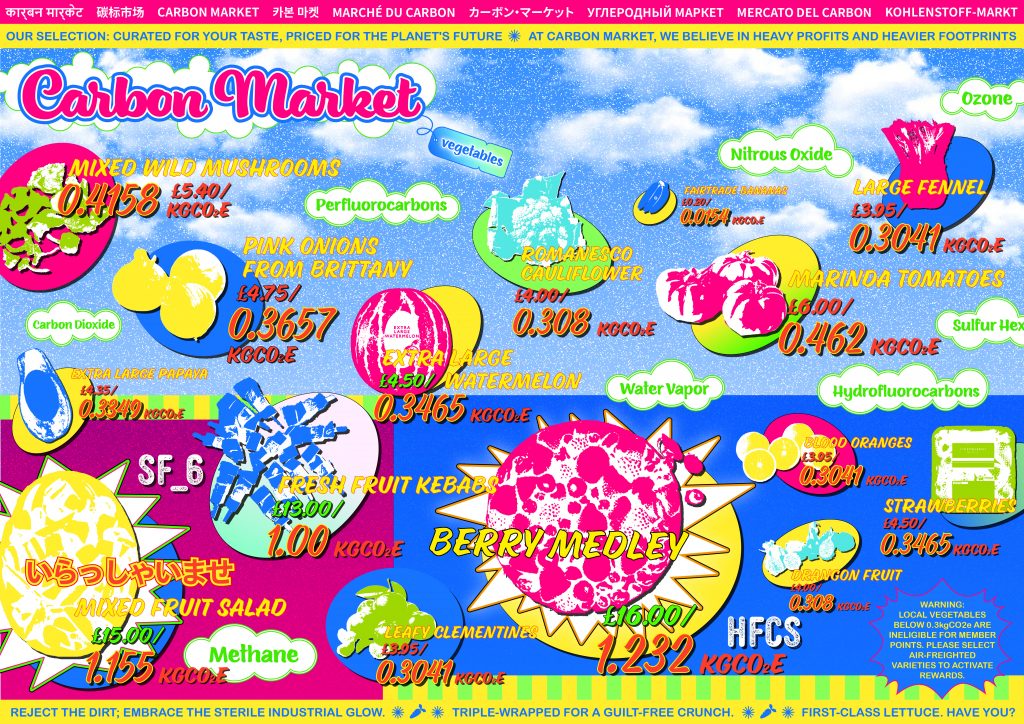
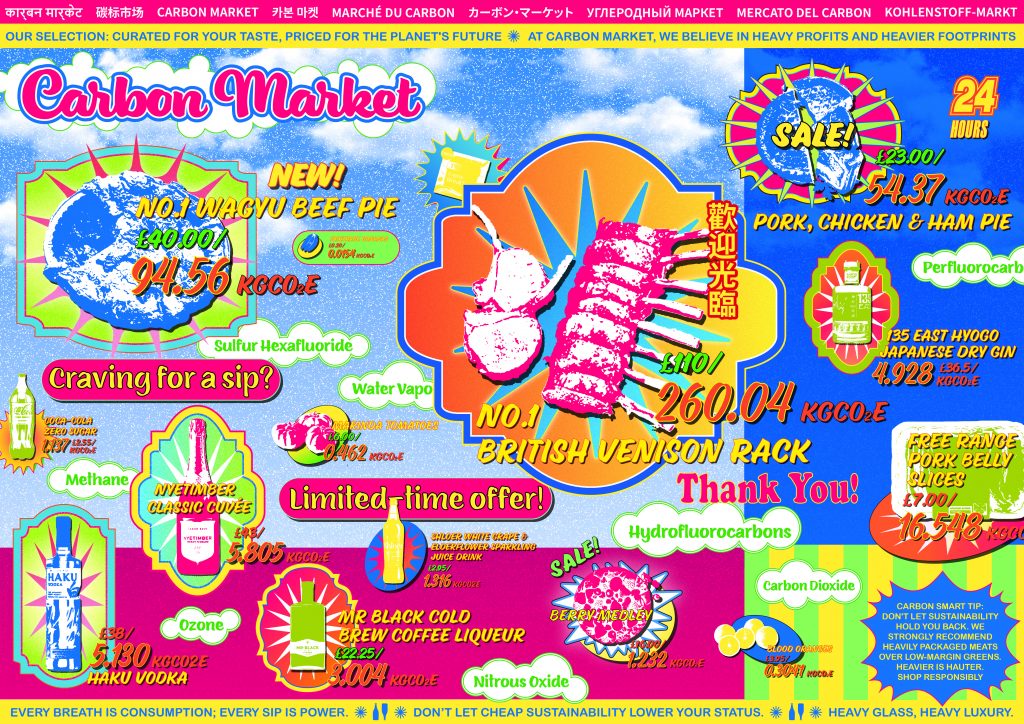
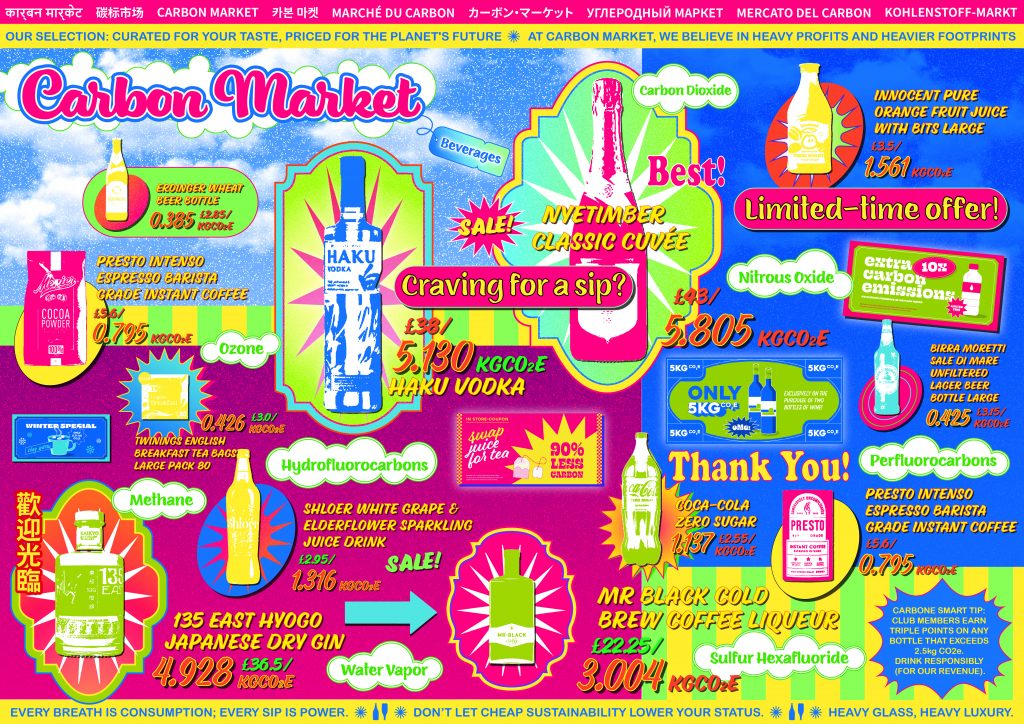
To break consumers’ habitual response patterns to promotional materials, we returned these flyers to their natural habitat—the supermarket itself. In doing so, we transformed abstract purchasing data into an intuitive, tangible, and slightly absurd presence: this seemingly familiar shopping guide now conveys a deeply unsettling message.
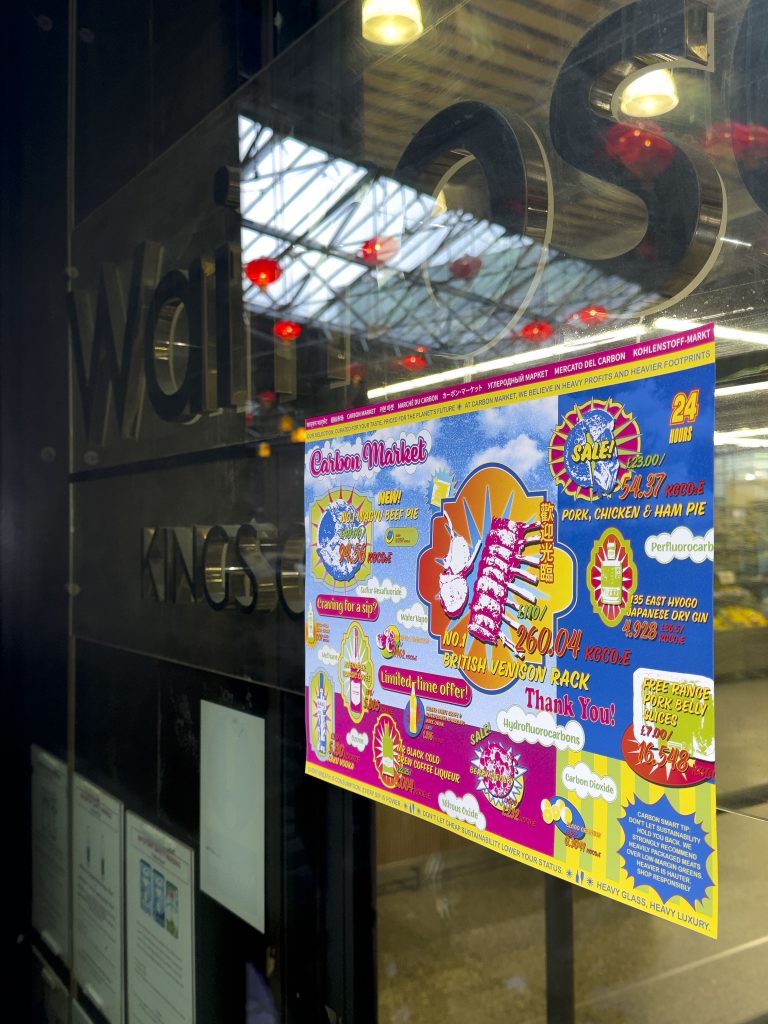
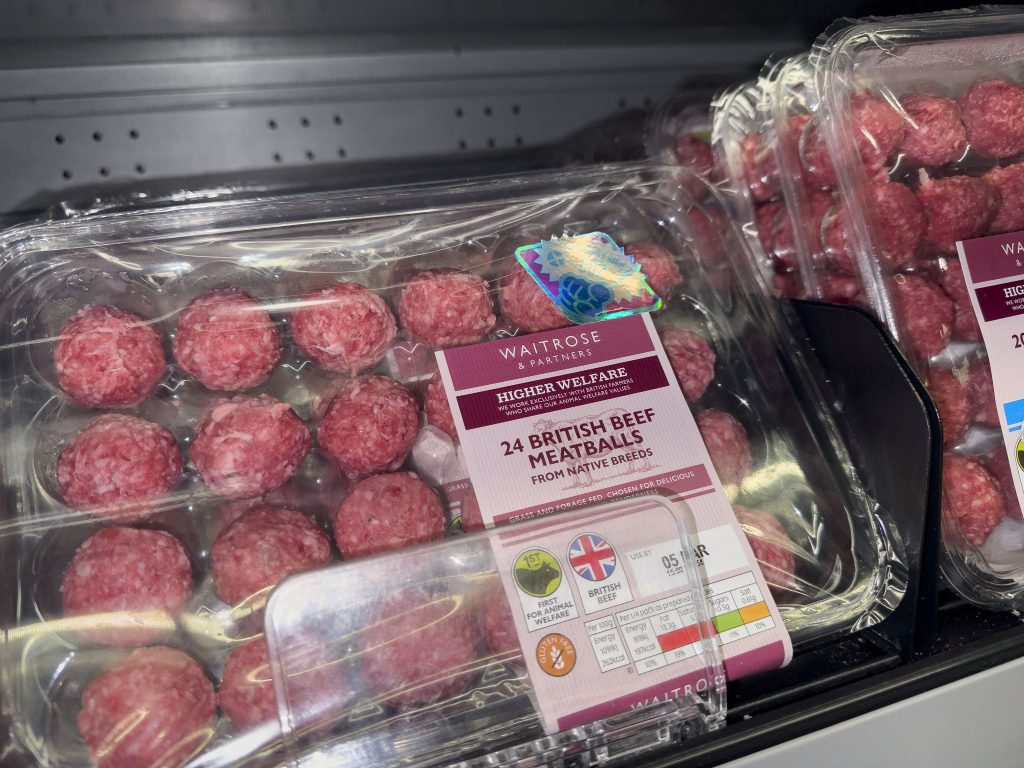
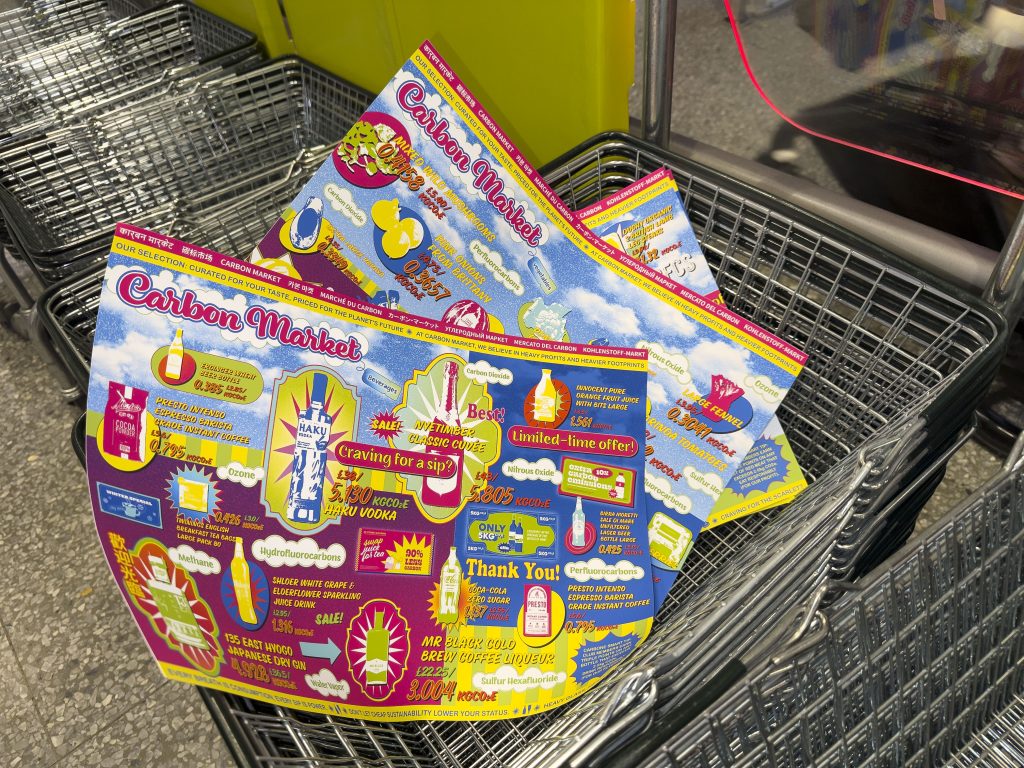
这些传单散落在超市的各个角落,甚至被塞进购物篮里,等待着路过的顾客起来,从而落入这个营销陷阱——这个陷阱让选手取得提升,损害环境,最终却把责任推卸给消费者。
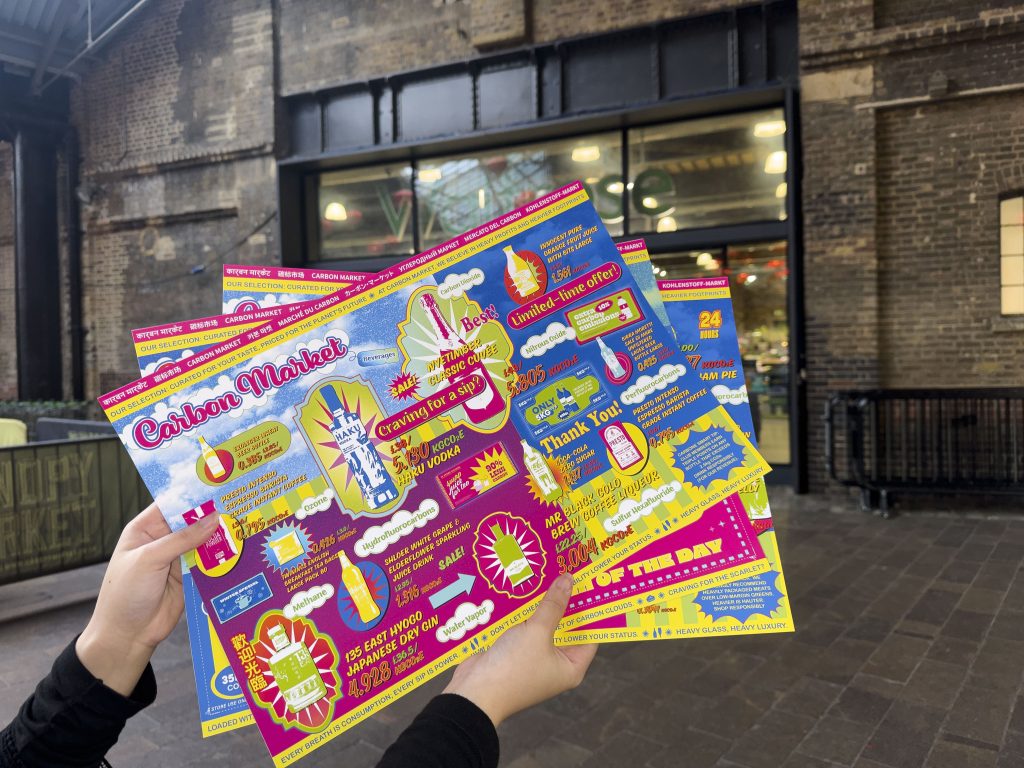
Through exaggeration and irony, the flyers transform carbon emissions into commercial value, critiquing how consumer capitalism normalizes high-impact consumption within food practices while overlooking the environmental consequences embedded in everyday dietary choices.